
Wild Flower Digital

Web Development

Why Mobile-First Website Development Is No Longer Optional

Mobile-first website development is no longer optional because most users access websites through smartphones, Google ranks sites based on mobile performance, and slow or poorly structured mobile experiences reduce conversions. Businesses that design for desktop first often lose traffic, visibility, and revenue in competitive markets like Hyderabad.

01

What Mobile-First Website Development Means

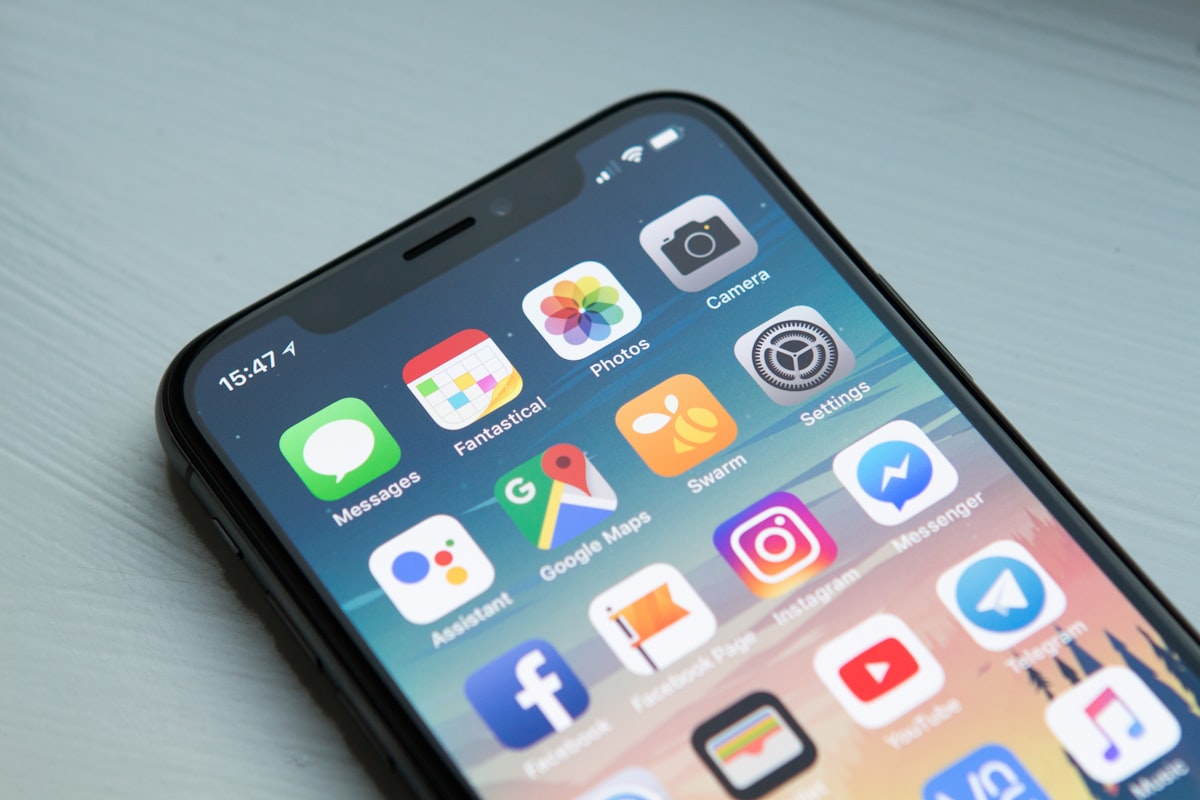
Mobile-first development means designing and structuring a website primarily for mobile devices before adapting it for desktop.

This approach focuses on:

  • Responsive layouts
  • Fast mobile load speed
  • Simplified navigation
  • Touch-friendly interfaces
  • Optimized mobile content hierarchy

It is not the same as shrinking a desktop website to fit a smaller screen.
02

Why Mobile Dominates Traffic

In India, mobile accounts for the majority of web traffic across industries.

This is especially true for:

  • Real estate searches
  • Clinic appointments
  • E-commerce browsing
  • Coaching institute enquiries
  • Local service lookups

In Hyderabad, areas like Gachibowli and Hitech City have high smartphone penetration. Users compare options quickly. If a site fails on mobile, they move to the next result.

03

Google’s Mobile-First Indexing

Google uses mobile-first indexing. This means Google primarily evaluates the mobile version of your website for ranking.

Implications:

  • Poor mobile UX lowers ranking potential
  • Slow mobile load time affects Core Web Vitals
  • Hidden or incomplete mobile content reduces visibility

Desktop-only optimization is outdated.

04

Conversion Impact Framework

Mobile-first affects conversions through four measurable drivers. If these four fail, traffic does not convert.

Conversion Drivers
1. Speed (Under 3 seconds)
2. Usability (Clear buttons & low friction)
3. Cognitive Load (Simplified layouts)
4. Checkout Flow (Optimized for small screens)
05

Diagnostic Framework: Mobile Performance Audit

Mobile UI design and optimization

We apply a 5-step mobile audit model. Each step identifies conversion barriers:

  • Step 1: Traffic Split Analysis - Check percentage of mobile vs desktop users.
  • Step 2: Mobile Speed Testing - Use tools like Google PageSpeed Insights to assess mobile load time.
  • Step 3: UX Friction Testing - Evaluate navigation clarity and button placement.
  • Step 4: Form and Checkout Testing - Test form fields, autofill compatibility, and payment flow.
  • Step 5: Core Web Vitals Review - Measure Largest Contentful Paint, First Input Delay, and Cumulative Layout Shift on mobile.
06

Business Impact Comparison

Results depend on industry and execution quality.

Factor Desktop-First Design Mobile-First Design
Load Speed Often slower on mobile Optimized for mobile
Google Ranking Risk of lower visibility Better alignment with indexing
Conversion Rate Lower on smartphones Higher mobile completion
Bounce Rate Higher on mobile traffic Reduced friction
Ad Efficiency Reduced Quality Score Improved landing performance
07

Common Mistakes Businesses Make

Mobile problems are often invisible to teams working mainly on laptops.

  • Mistake 1: Designing for Desktop Presentation - Desktop aesthetics dominate decision-making.
  • Mistake 2: Ignoring Thumb Navigation - Buttons placed too close together reduce usability.
  • Mistake 3: Heavy Media on Mobile - Large images and autoplay videos slow performance.
  • Mistake 4: Long Forms - Excessive fields reduce mobile completion rates.
  • Mistake 5: Not Testing Real Devices - Simulator testing alone is insufficient.
08

Cluster Micro-Sections

A. Mobile and SEO

Google prioritizes mobile experience in ranking algorithms.

B. Mobile and Paid Advertising

Most paid traffic comes from smartphones. Poor mobile landing pages waste ad spend.

C. Mobile and E-commerce

Checkout friction is higher on small screens. Streamlined flows improve revenue.

D. Mobile and Local Search

Users searching for services in Hyderabad expect quick access to phone numbers, maps, and enquiry forms.

09

Trade-Offs and Limitations

Mobile-first design may require:

  • Simplified layouts
  • Reduced animation
  • Fewer design-heavy elements

Visual complexity may decrease slightly. Mobile-first improves usability but does not compensate for weak product-market fit or poor messaging.

10

Who Should Prioritize Mobile-First Development

Choose this approach if:

  • Mobile traffic exceeds 50 percent
  • You run Google or Meta ads
  • Bounce rate is high on mobile
  • You operate in competitive local markets

It may be lower priority if:

  • Your business serves primarily desktop enterprise users
  • Traffic volume is minimal

Frequently Asked Questions

Why Mobile-First Website Development Is No Longer Optional?

Because most users browse on smartphones and Google ranks websites based on mobile performance.

Is responsive design the same as mobile-first?

No. Responsive adapts layouts. Mobile-first prioritizes mobile in the design stage.

How fast should a mobile site load?

Under 3 seconds is recommended.

Does mobile-first improve SEO?

It supports alignment with Google’s indexing system and improves usability metrics.

Can small businesses benefit from mobile-first?

Yes. Even small local businesses receive majority mobile traffic.

Conclusion

Why Mobile-First Website Development Is No Longer Optional is a business question, not a design preference.

Mobile dominates traffic, Google evaluates mobile performance first, and conversion friction is highest on smartphones. Businesses that continue designing desktop-first risk lower rankings, wasted ad spend, and missed enquiries.

Ready to Optimize for Mobile?

A structured mobile performance audit is the logical next step for companies relying on digital acquisition channels.

Book a Mobile Audit Consultation

Send us a Message

Get Your Free Book

Learn how to find the right marketing agency for your business

Get a Free Audit